
Polyethylene microplastics interfere with the nutrient cycle in water-plant-sediment systems
Title: Polyethylene microplastics interfere with the nutrient cycle in water-plant-sediment systems
Download website:https://doi.org/10.1016/j.watres.2022.118191
Abstract
Increasing microplastic (MP) pollution and its effects on aquatic systems have become a global issue; however, the impact of MPs on biogeochemical cycles is poorly understood. A simulation study was performed to analyse the influence of polyethylene (PE) microplastics on the morphological, physiological, and stoichiometric (C, N, P) characteristics of submerged plants, and to investigate their effects on the nutrient cycle and microbial community in freshwater sediment. The results showed that PE-MPs treatments significantly decreased leaf nitrogen and carbon contents. Exposure to 1% PE-MPs suppressed the plant height, total biomass, root activity, and relative growth rate of Vallisneria natans. Decrease in dissolved oxygen (DO) concentrations (19.93–40.26%) were observed in the 1% PE-MPs treatment group compared to that in the control between 1 and 6 days. The activities of enzymes (ammonia monooxygenase and nitrate reductase) related to the nitrogen cycle were significantly altered by the addition of PE-MPs. We found that PE-MPs acted as obstacle disruptors, resulting in a reduction in the release of nitrogen and phosphorus from the sediment to the overlying water. This is because PE- MPs significantly alter the composition and metabolic properties of the microbial communities in sediments, the plant growth, and the nutrient cycle. These findings helped evaluate the impacts of PE-MPs on the water-plant- sediment system and on the biogeochemical cycles of the freshwater ecosystems.
Results
Impact of PE-MPs on nutrient stoichiometry and growth traits of V. natans
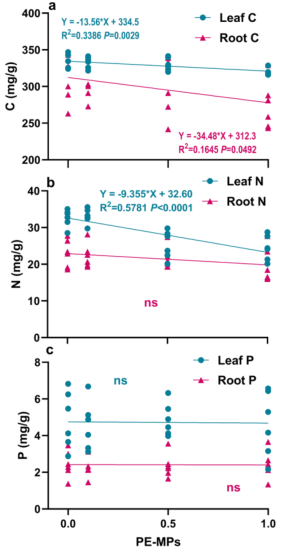
Fig. 1. A simple linear regression was used to evaluate relationships between elemental stoichiometry of V. natans and PE-MPs concentrations.
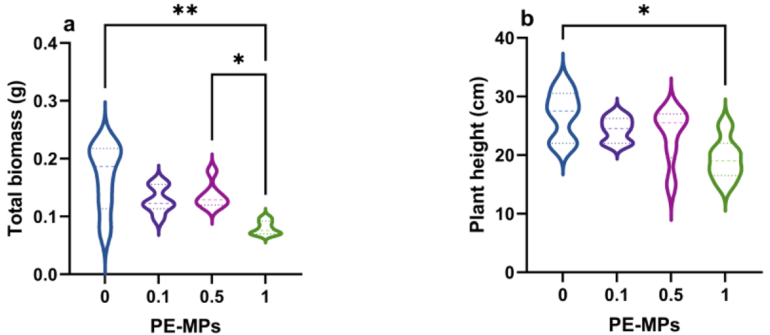
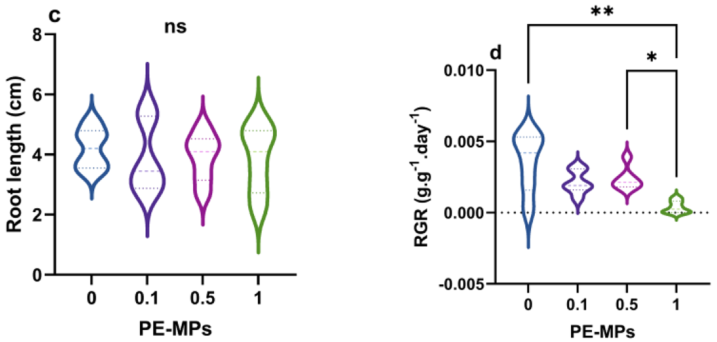
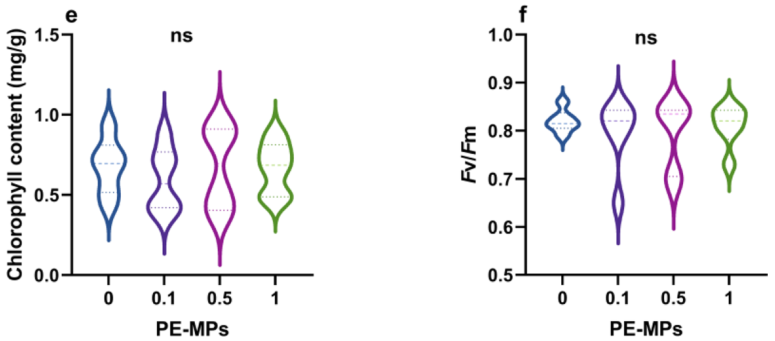
Fig. 2. Total biomass (a), plant height (b), root length (c), relative growth rate (RGR) (d), chlorophyll contents (e), and maximum quantum yield of photosystem II (Fv/Fm) (f) of V. natans exposed to different PE-MPs concentrations (*p < 0.05, **p < 0.01, ***p < 0.001).
Spatial micro-distributions of O2 around the roots of V. natans
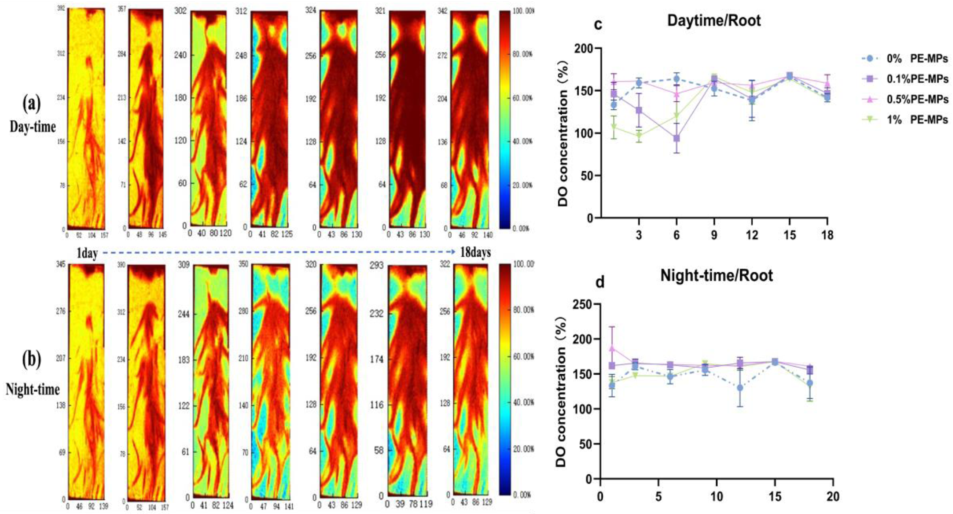
Fig. 3. Changes in O2 micro-distributions around the roots of V. natans the were exposed to PE-MPs over the incubation periods. 2D co-distributions of O2 concentrations in the 1% PE-MPs groups (a,b), and the line chart shows all the experiment groups (c,d).
Responses of sediment microbial and enzyme to PE-MPs addition
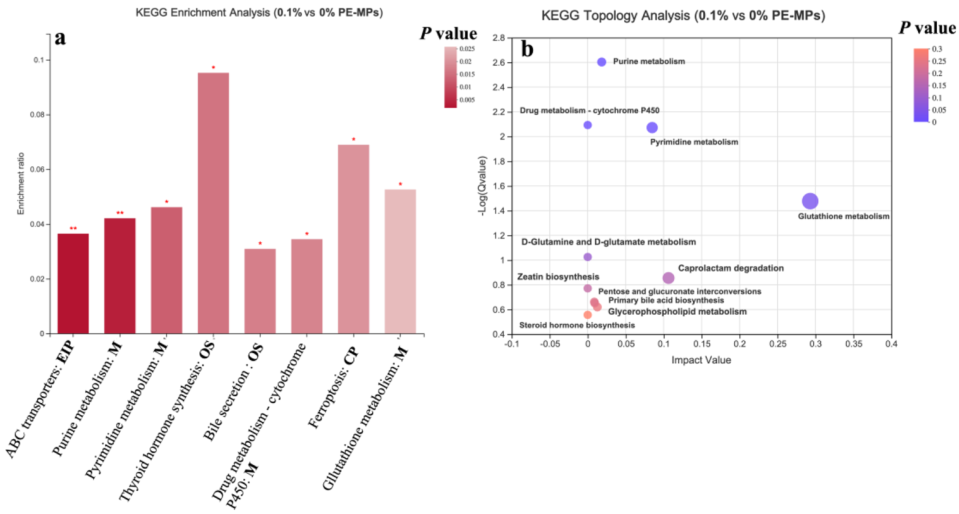
Fig. 4. Metabolic pathway enrichment study of differentially presented metabolites between (a-b) the 0.1% and 0% PE-MPs groups.
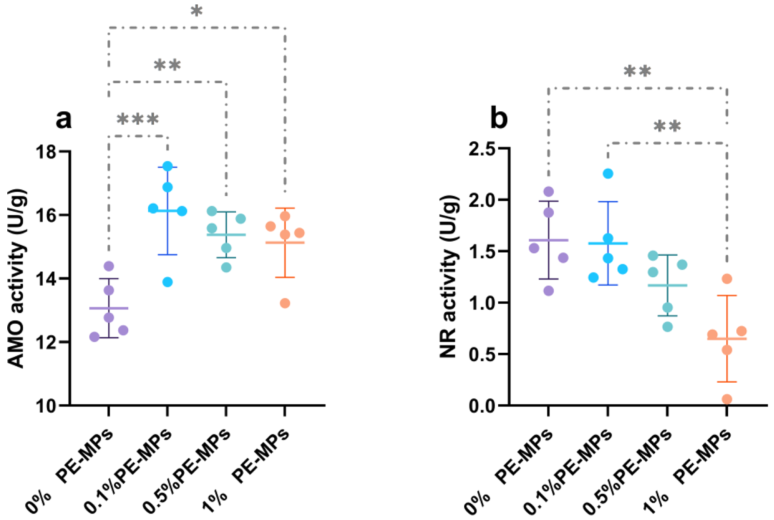
Fig. 5. Control and PE-MPs amended sediment, and enzymatic activities associated with the nitrogen cycle (N = 5; *p < 0.05, **p < 0.01, ***p < 0.001).
Nutrient exchange across the sediment-water interface
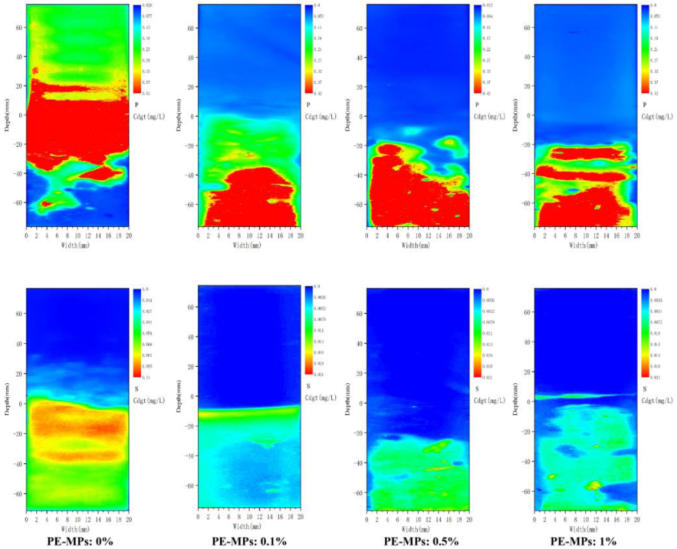
Fig. 6. Two-dimensional co-distributions of labile P and S concentrations in the sediment-water profiles as measured by DGT probe analysis on Day 9.
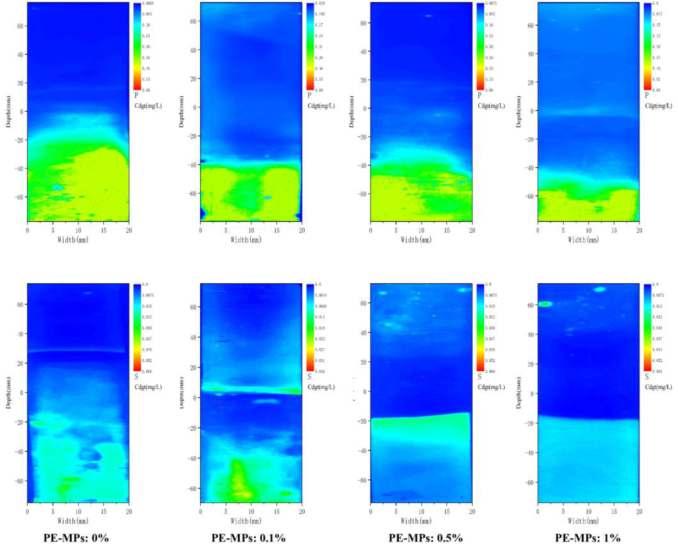
Fig. 7. Two-dimensional co-distributions of labile P and S concentrations in the sediment-water profiles as measured by DGT probe analysis on Day 18.
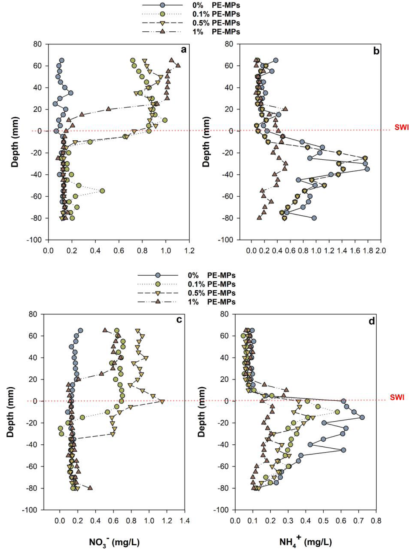
Fig. 8. Change in NO3– and NH4+ concentration in the sediment-water interface (SWI) between Day 9 (a,b) and Day 18 (c,d).
Impact of PE-MPs on water-plant-sediment systems
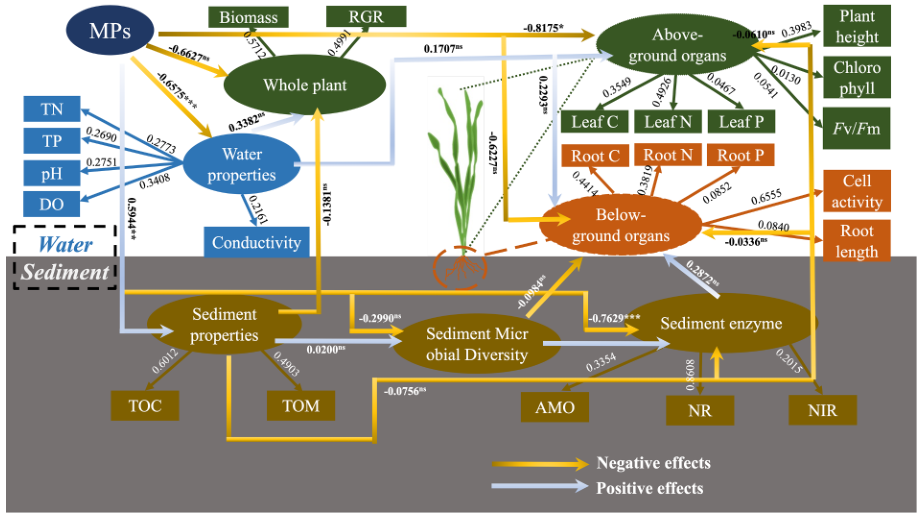
Fig. 9. Partial least squares path models (PLS-PM) were used for analysing the manipulation experiment. Numbers next to the arrows indicate total effects, and significant paths are marked with a star (*p < 0.05, **p < 0.01, ***p < 0.001, nsp > 0.05). The pale blue line indicates the positive effects, and the yellow line indicates the negative effects. Reflective matrix (ovals) are exhibited by measured variables (boxes) with their respective weight shown.
Conclusion
The increasing concentrations of PE-MPs in freshwater systems as a result of plastic pollution has exerted substantial stress on aquatic plants, influencing the biomass and element composition, and the effect of phytotoxicity on morphological and physiological functions. The results of this study suggest that PE-MPs can significantly affect plant growth, microbial structure and function, and nutrient cycles in freshwater ecosystems. Thus, MPs that are intercepted by aquatic plants and then deposited in sediments may be a potential threat to aquatic ecosystems. Future studies should focus on how diverse ecological factors, such as temperature or sediment type affects the structure and function of ecosystems.
Contact: Liang Jiawen
E-mail: jwliang@smail.nju.edu.cn