
生物再生生命支持系统中马铃薯品种的选择和水培生长
Title:Selection and hydroponic growth of potato cultivars for bioregenerative life support systems
Download website:
https://schlr.cnki.net/en/Detail/index/GARJ2012/SJESEDD9320F8CE344EC9A98462B6E982B11
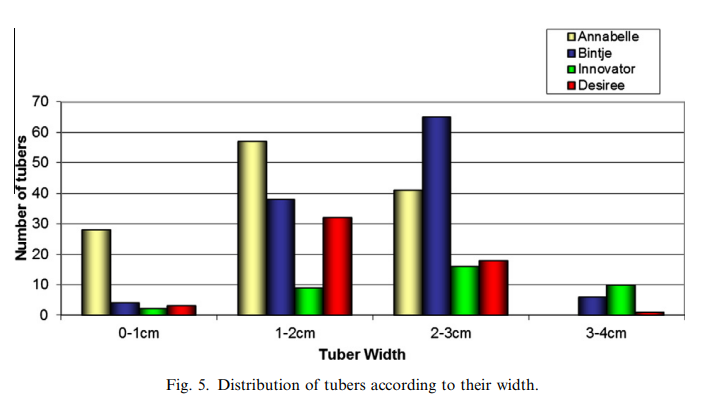
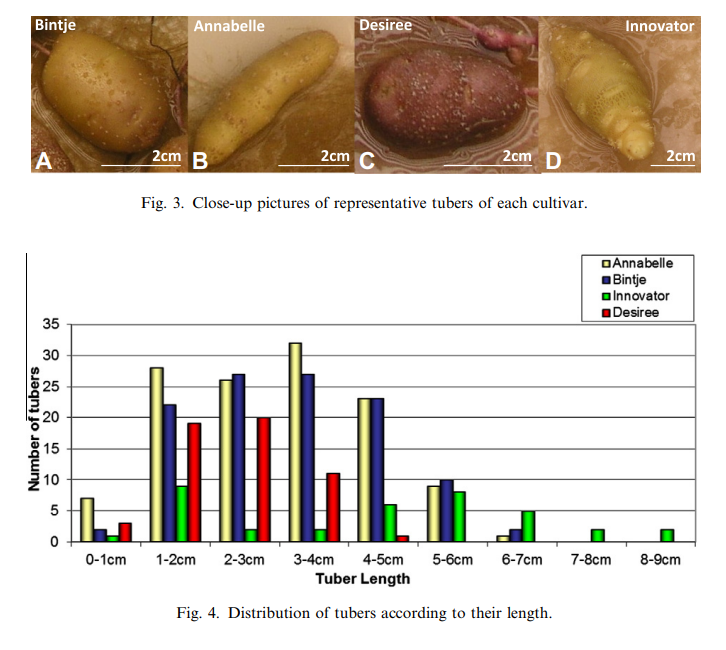
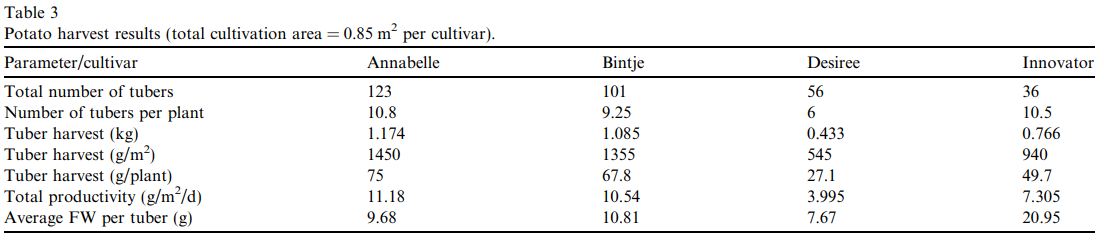
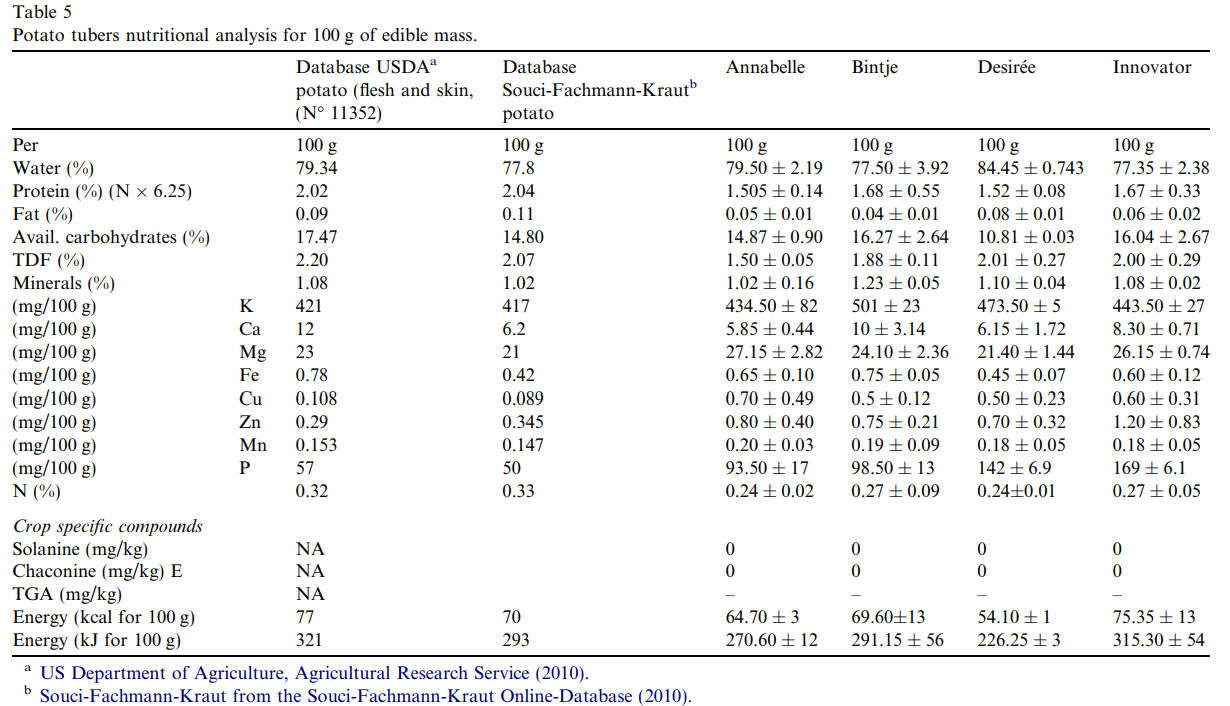
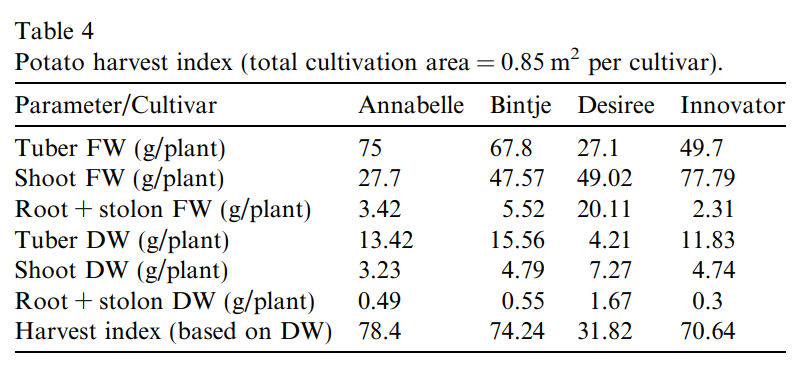
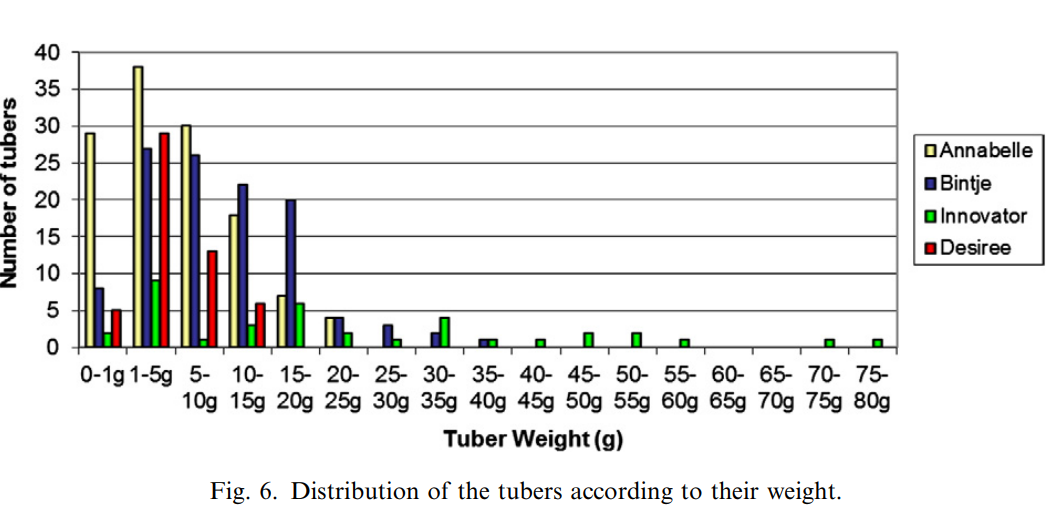
Abstract:As part of the ESA-funded MELiSSA program, Ghent University and the Universite´ catholique de Louvain investigated the suitability, growth and development of four potato cultivars in hydroponic culture under controlled conditions with the aim to incorporate such cultivation system in an Environmental Control and Life Support System (ECLSS). Potato plants can fulfill three major functions in an ECLSS in space missions: (a) fixation of CO2 and production of O2, (b) production of tubers for human nutrition and (c) production of clean water after condensation of the water vapor released from the plants by transpiration. Four cultivars (Annabelle, Bintje, Desiree and Innovator) were selected and grown hydroponically in nutrient film technique (NFT) gullies in a growth chamber under controlled conditions. The plant growth parameters, tuber harvest parameters and results of tuber nutritional analysis of the four cultivars were compared. The four potato cultivars grew well and all produced tubers. The growth period lasted 127 days for all cultivars except for Desiree which needed 145 days. Annabelle (1.45 kg/m2 ) and Bintje (1.355 kg/m2 ) were the best performing of the four cultivars. They also produced two times more tubers than Desiree and Innovator. Innovator produced the biggest tubers (20.95 g/tuber) and Desiree the smallest (7.67 g/tuber). The size of Annabelle and Bintje potatoes were intermediate. Bintje plants produced the highest total biomass in term of DW. The highest non-edible biomass was produced by Desiree, which showed both the highest shoot and root DW. The manual length and width measurements were also used to predict the total tuber mass. The energy values of the tubers remained in the range of the 2010 USDA and Souci-Fachmann-Kraut food composition databases. The amount of Ca determined was slightly reduced compared to the USDA value, but close to the Souci-Fachmann-Kraut value. The concentration of Cu, Zn and P were high compared to both databases. Clearly, the yields for the four cultivars used in this study can still be significantly increased. Identification of optimal growth conditions (a.o. nutrient solution management, light conditions) will be the subject of further research.
Methods:
Cultivar selection
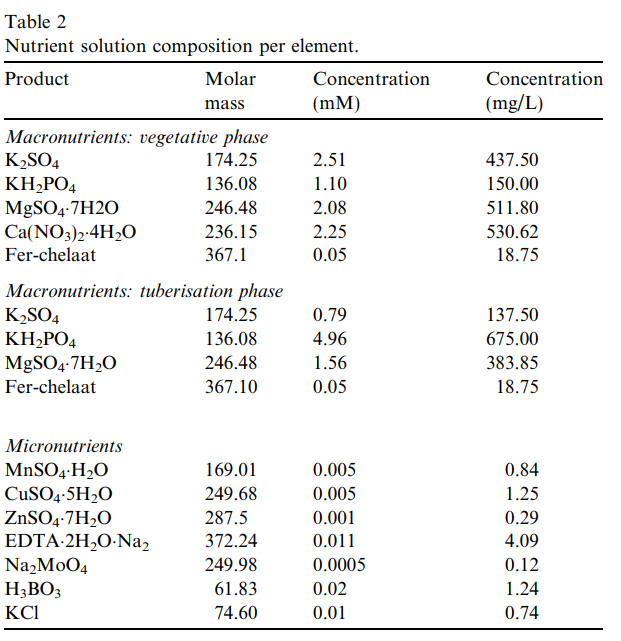
Plant materials and growth conditions
Growth and yield measurements
Nutritional analysis
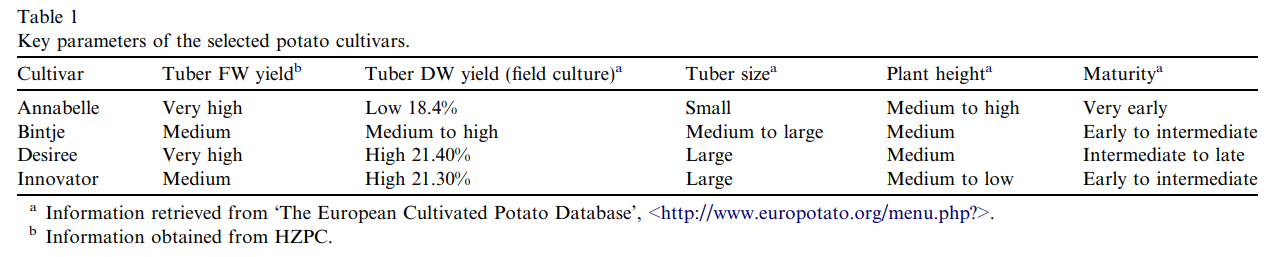
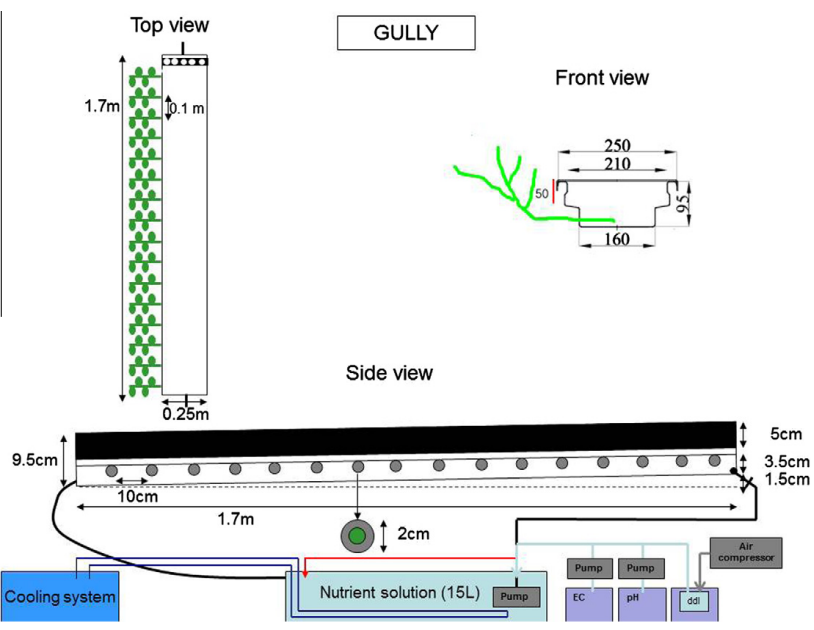
Fig. 1. Schematic representation of the hydroponic system: Top view, front view and side view
Results
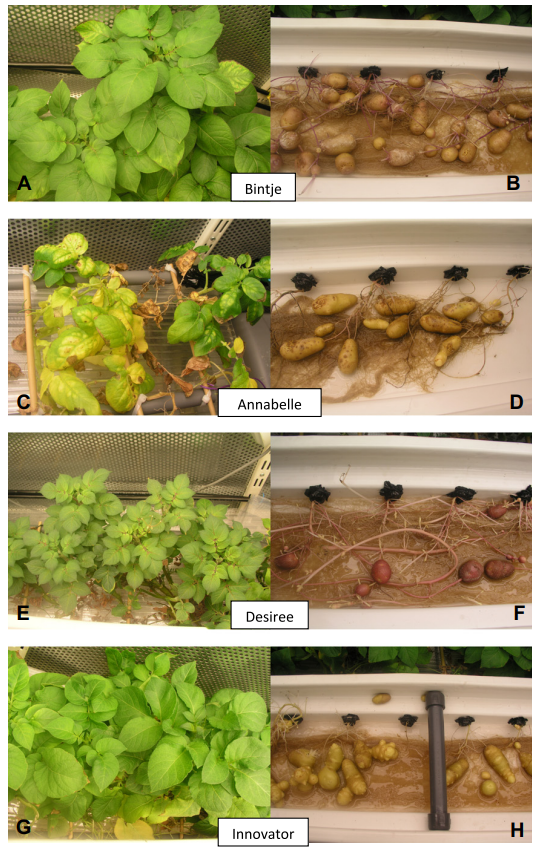
Fig. 2. Pictures of plants and tubers of the four cultivars, taken at the end of the growth cycle.
空间农业植物的生物技术开发
Title: Biotechnological development of plants for space agriculture
Download website :
https://schlr.cnki.net/en/Detail/index/GARJ2021_2/SSJD2581D29B5C6D07096C23BA822C7C2F25
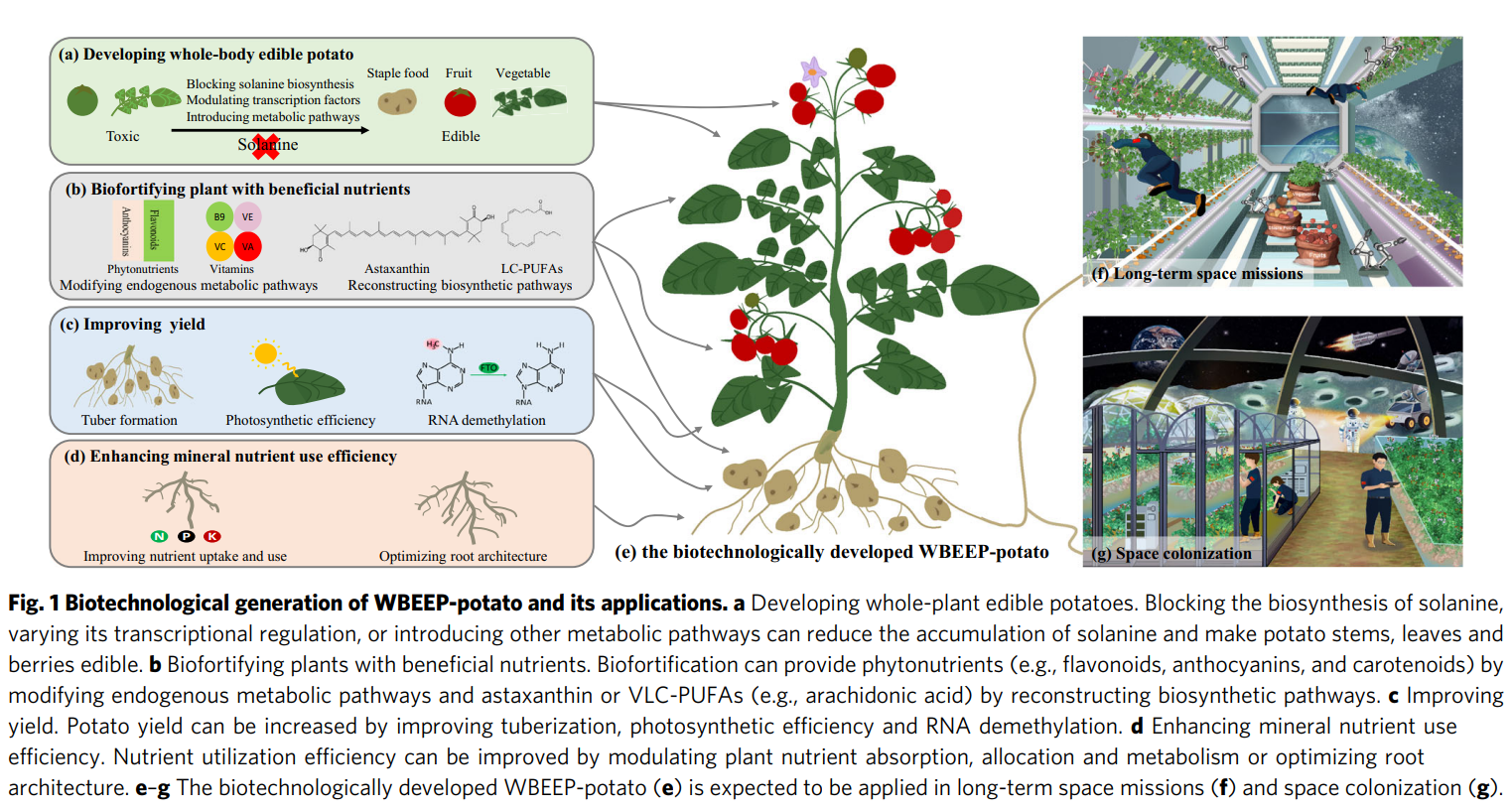
Abstract:If humankind is ever to undertake long-term space missions and colonization, establishing an efficient space farming system would be essential for human survival in space. However, existing crops are not sufficiently cost effective and productive for use on space farms. Hence, we propose a Whole-Body Edible and Elite Plant (WBEEP) strategy for space crop improvement. Relying on plant biotechnology, the WBEEP strategy aims to develop crops with more edible parts, richer nutrient content, higher yields, and higher mineral nutrient use efficiencies for space farms. Potato (Solanum tuberosum L.) is believed to be one of the top contenders for space agriculture due to the following advantages: (1) high harvest index and tuber yield and carbohydraterich tubers that can provide a large amount of energy for humans; (2) simple horticultural and food processing requirements; and (3) high tolerance against stresses with the ability to develop normally during spaceflight1. Importantly, potatoes can be asexually propagated through tubers and sexually propagated through seeds. Asexual reproduction can ensure the regeneration of food resources and stable nutritional value, while sexual reproduction can guarantee a higher propagation coefficient and lower storage and transportation costs2. However, potatoes cannot be efficiently cultivated in space until inherent defects related to their high solanine content, low yield and nutrient accumulation, and low fertilizer use efficiency are overcome. Below, we describe a WBEEP strategy for potato improvement that might create a WBEEP-potato for space farming.
Contact: Zhou Zeyan
E-mail: 1530654448@qq.com