
Title: Nanoplastic pollution inhibits stream leaf decomposition through modulating microbial metabolic activity and fungal community structure
Download website : https://www.sciencedirect.com/science/article/pii/S0304389421023608
Abstract : Many studies have proved the impacts of nanoplastic pollution in freshwaters on aquatic organisms and ecosystems. To explore toxic mechanisms of nanoplastics on stream functioning, we conducted a microcosm experiment to investigate the effects of polystyrene nanoparticles (PS NPs, 1–100 μg L-1 ) on the process of leaf litter decomposition mediated by the microbial community. The chronic exposure to PS NPs at 1 and 100 μg L-1 caused significant decreases in leaf litter decomposition and nutrient (carbon and nitrogen) releases. During the ecological process, some extracellular enzymes (i.e., β-glucosidase, glycine-aminopeptidase, and phenol oxidase) rather than fungal biomass were suppressed. Besides, decreases in the relative abundance of Anguillospora and Setophaeosphaeria weakened their functions in leaf litter decomposition. Thus, the microcosm experiment showed that PS NPs inhibited stream leaf decomposition by modulating the microbial metabolic activity and fungal community structure. Overall, the results of this study provide evidence for the consequences of nanoplastic pollution on freshwater microbial community and stream ecosystem functioning, which is conducive to evaluate the potential risks of nanoplastics in aquatic environments.
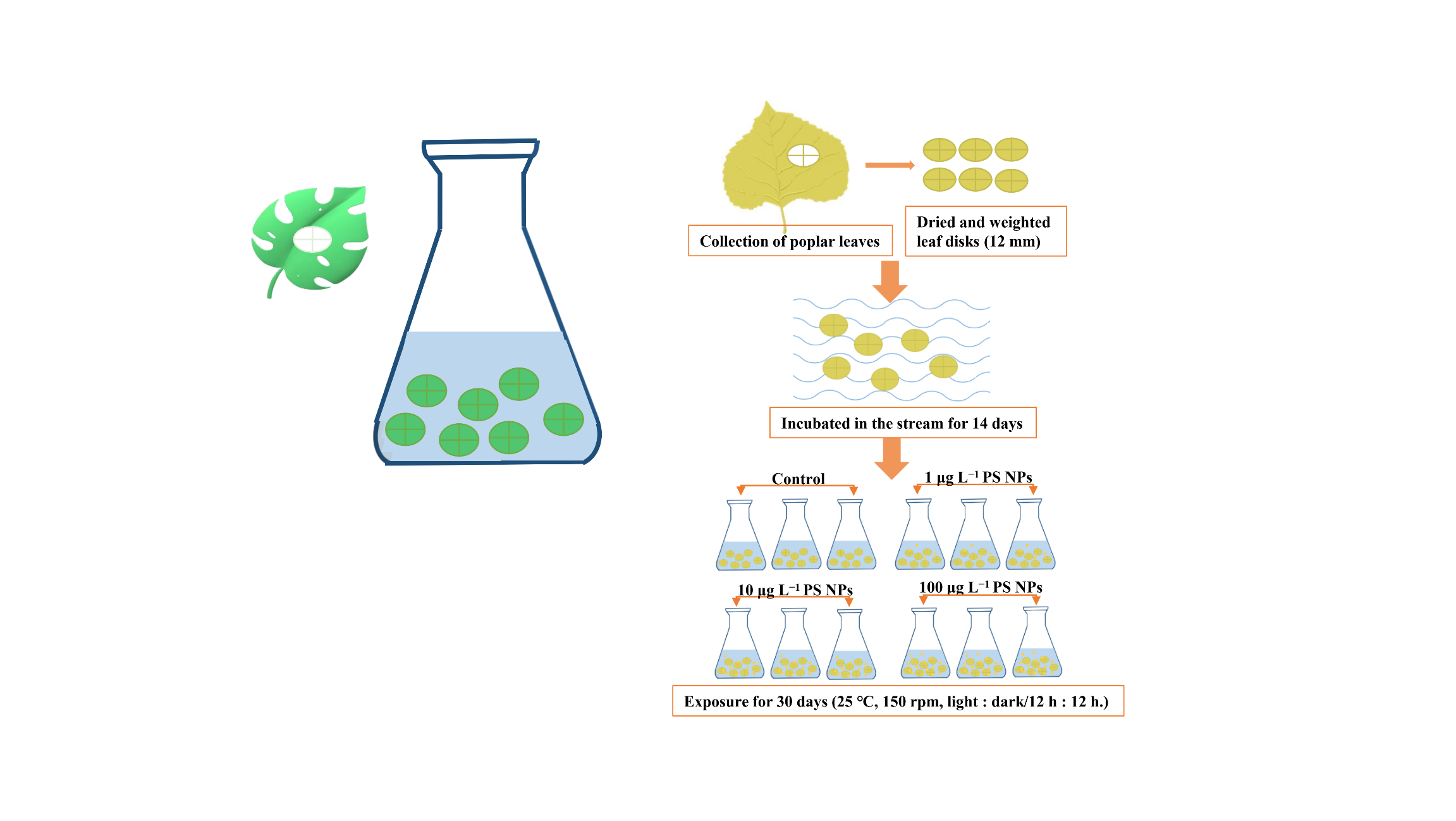
Methods:
Results:
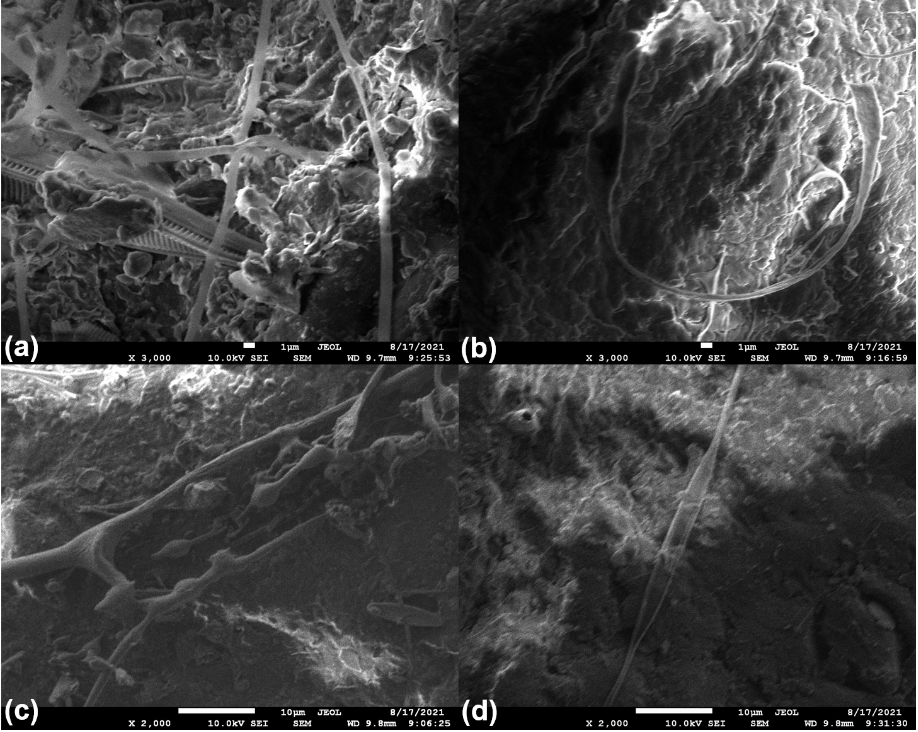
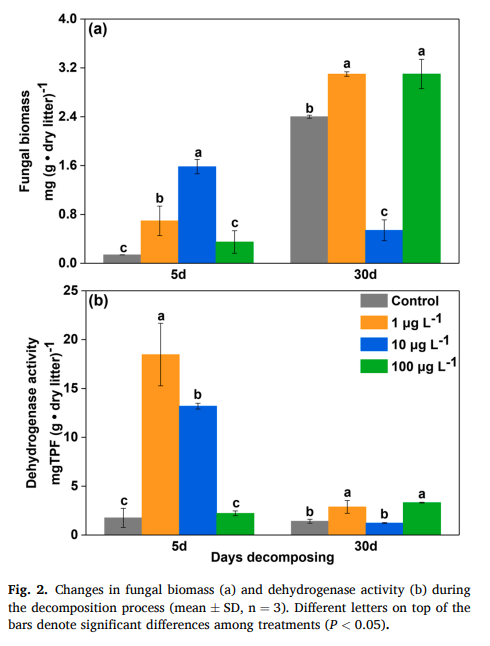
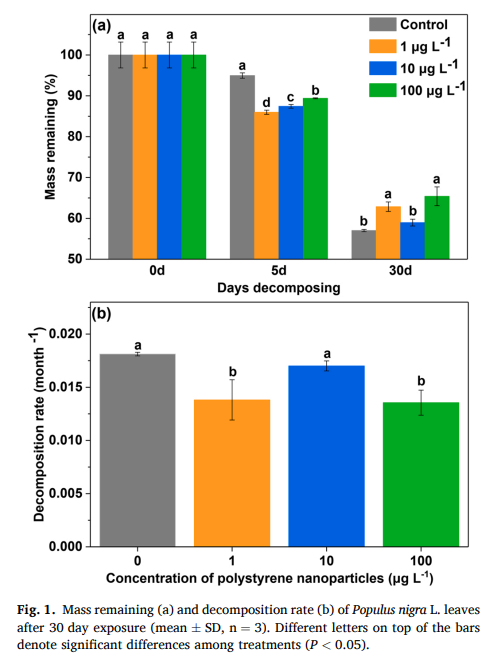
Fig3:Field-emission scanning electron microscopy image of polystyrene nanoparticles.
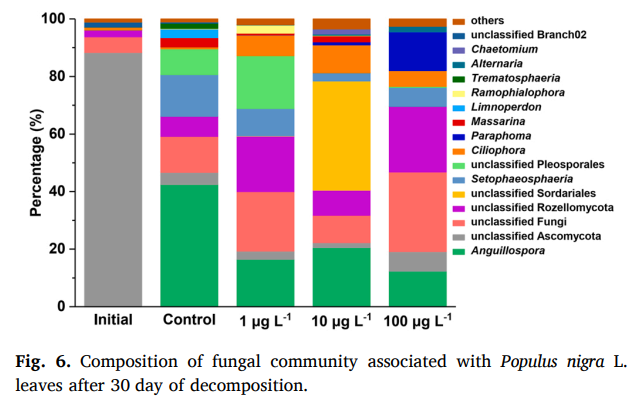
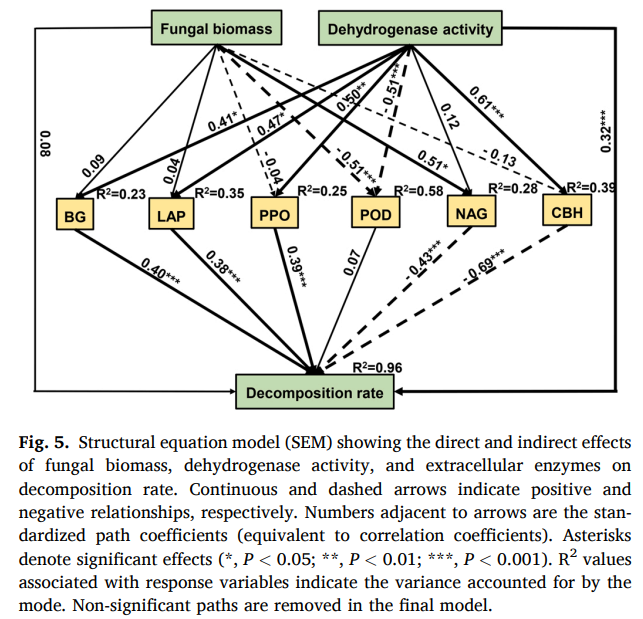
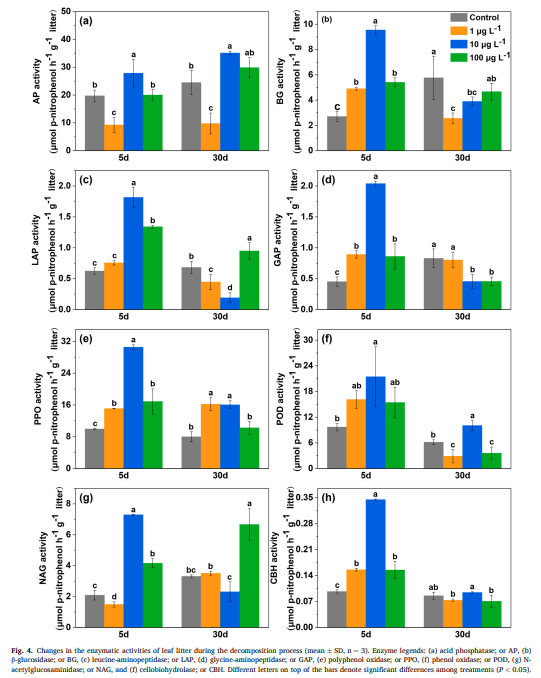
Conclusion:In conclusion, chronic exposure to PS NPs at 1 and 100 μg L-1 led to significant decreases in leaf litter decomposition and nutrient (C and N) releases but PS NPs at 10 μg L-1 did not cause significant impacts. For the chemical property, the impacts of PS NPs were suggested to be related to their stability in microcosms. For the biological parameters, PS NPs not only suppressed the activities of microbial extracellular enzymes, but also changed the fungal community structure, especially the dominant and functional fungi. Besides, exposure of PS NPs caused irreversible damages in aquatic fungal hyphae. Overall, this study provides evidence for the harmful effects of nanoplastic pollution at environmental concentrations on the functions of stream ecosystems. Importantly, some ITS reads could not be identified due to methodological limitations that caused the neglect of some functional aquatic fungi. Therefore, future studies are needed to comprehensively identify functional aquatic fungi to explore the shifts of microbial community structure and function in ecosystems, which will contribute to a deeper comprehension of the potential risks of nanoplastics.
Contact:Zhou Zeyan
E-mail:1530654448@qq.com