
Plant growth-promoting rhizobacteria as an alternative to mineral fertilizers in assisted bioremediation - Sustainable land and waste management
https://doi.org/10.1016/j.jenvman.2018.08.075
Aim:The main objective of this study was the optimization and testing of a plant growth-promoting soil biopreparation, and organic soil amendment (sewage sludge) as the alternative or limitation to mineral soil fertilizers.
1.evaluate the process of bacterial soil bioaugmentation under field study conditions
2.the connections among nutritional and environmental issues involved in the phytoremediation process
3.applications of PGPR bacteria in disabling abiotic stress conditions.
The novelty of the research is to show that there is a possibility of limiting mineral fertilization in fields condition using plants growth promoting microorganisms and organic amendments as a hybrid system.
PGPR:PGPR influence plant growth directly by producing phytohormones that allow easier nutrient uptake, free nitrogen (N) binding, phosphorus (P) availability and mineral uptake, and indirectly by protecting plants against pathogens and inducing systemic resistance. The protective effect of PGPR bacteria is based on, inter alia, nutrients and ecological niche competition, enzyme degradation of cell wall pathogens, antibiotic production, antibacterial metabolites and siderophores (iron chelators).
PGPR bacteria increase P bioavailability for plants by producing organic acids which dissolve inorganic unabsorbed P compounds, thereby providing easily accessible P to the plant.
Another way is to dissolve organic P compounds with enzymes produced by PGPR: phytase, phosphatase, D-α-glycerophosphatase, or phosphonooctane hydrolase.
PGPR microorganisms isolated from contaminated soils can also tolerate high concentrations of heavy metals. These microorganisms have systems that increase bioaccumulation and metals removal from cells or carrying out enzymatic reactions to convert them to less toxic forms.
Materials and methods:

For bacteria treatment (B) the selected strains of microorganisms were isolated from rhizosphere of plants (fescue grass) growing in soils contaminated with heavy metals (soil from the area of zinc smelter).These bacteria were used because of their properties to support plant growth in unfavourable conditions.
Results:
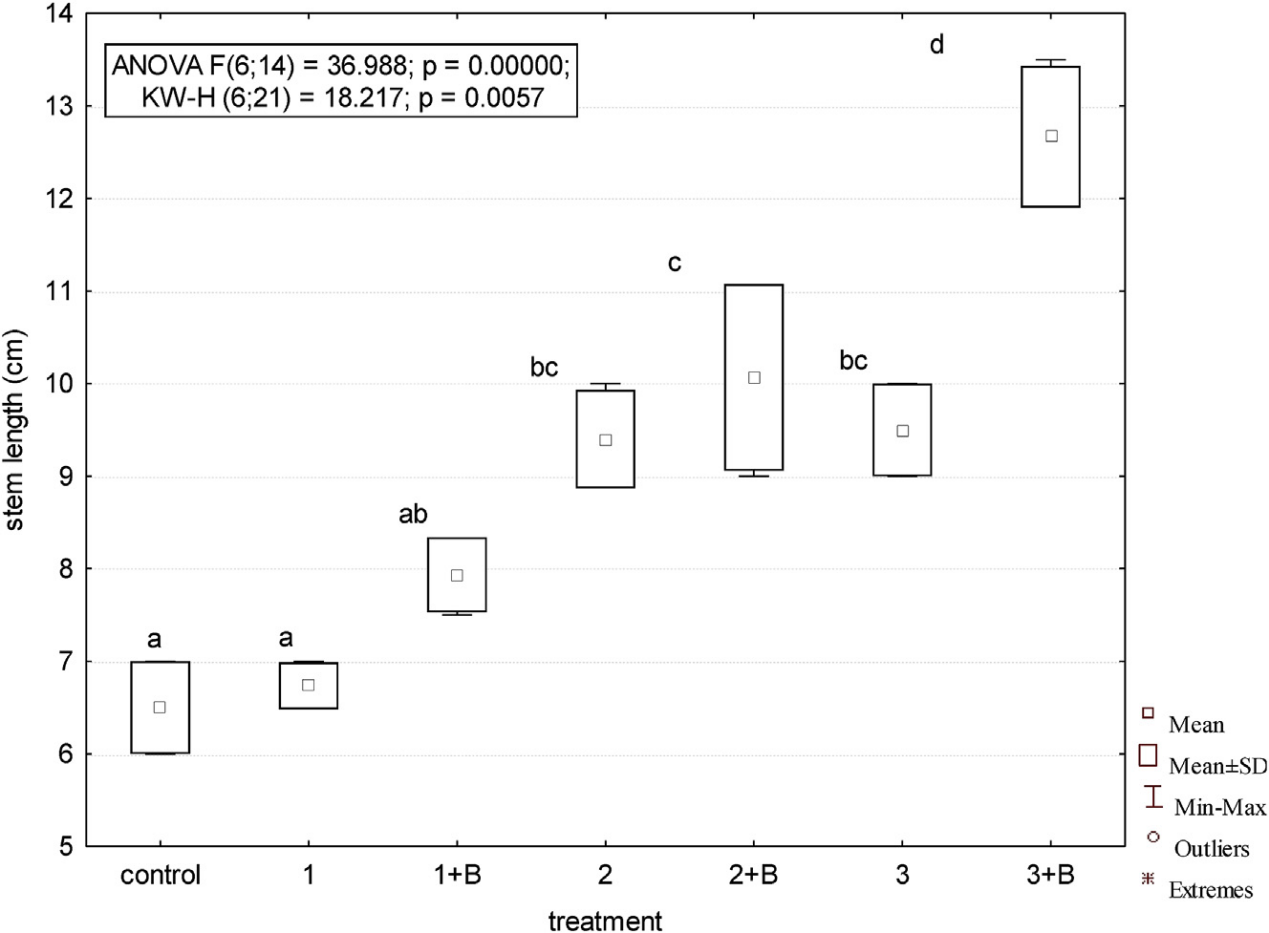
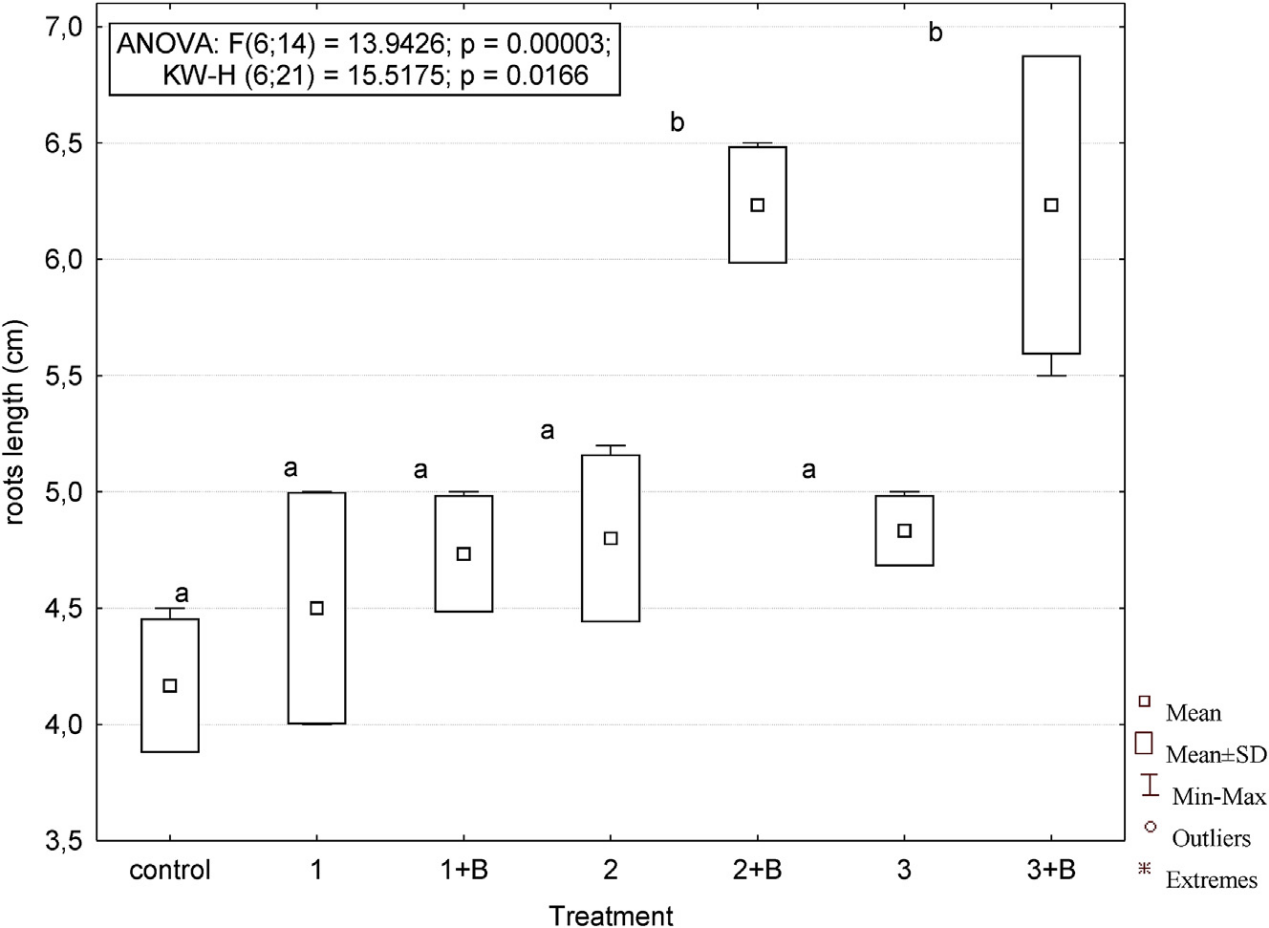
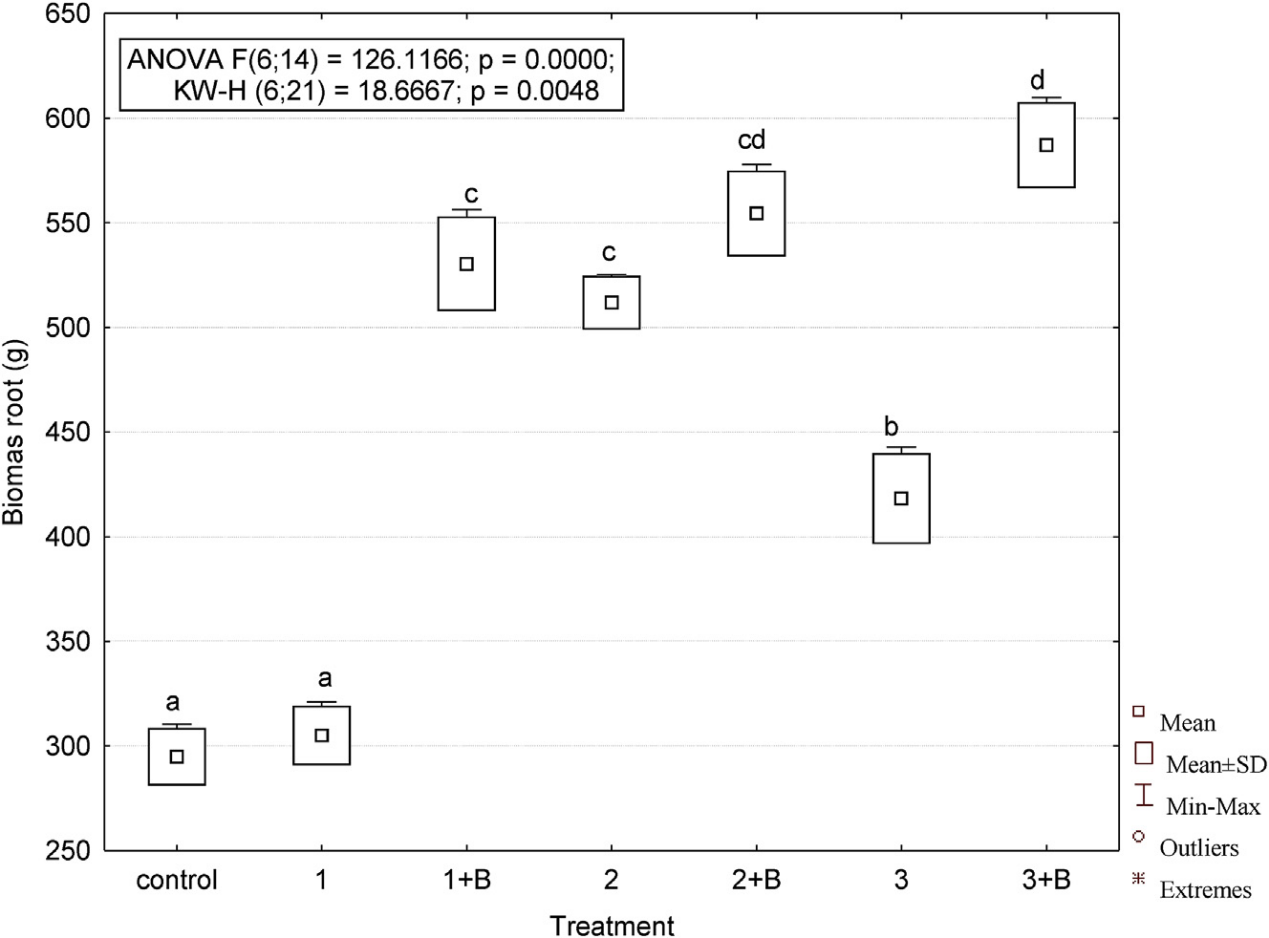
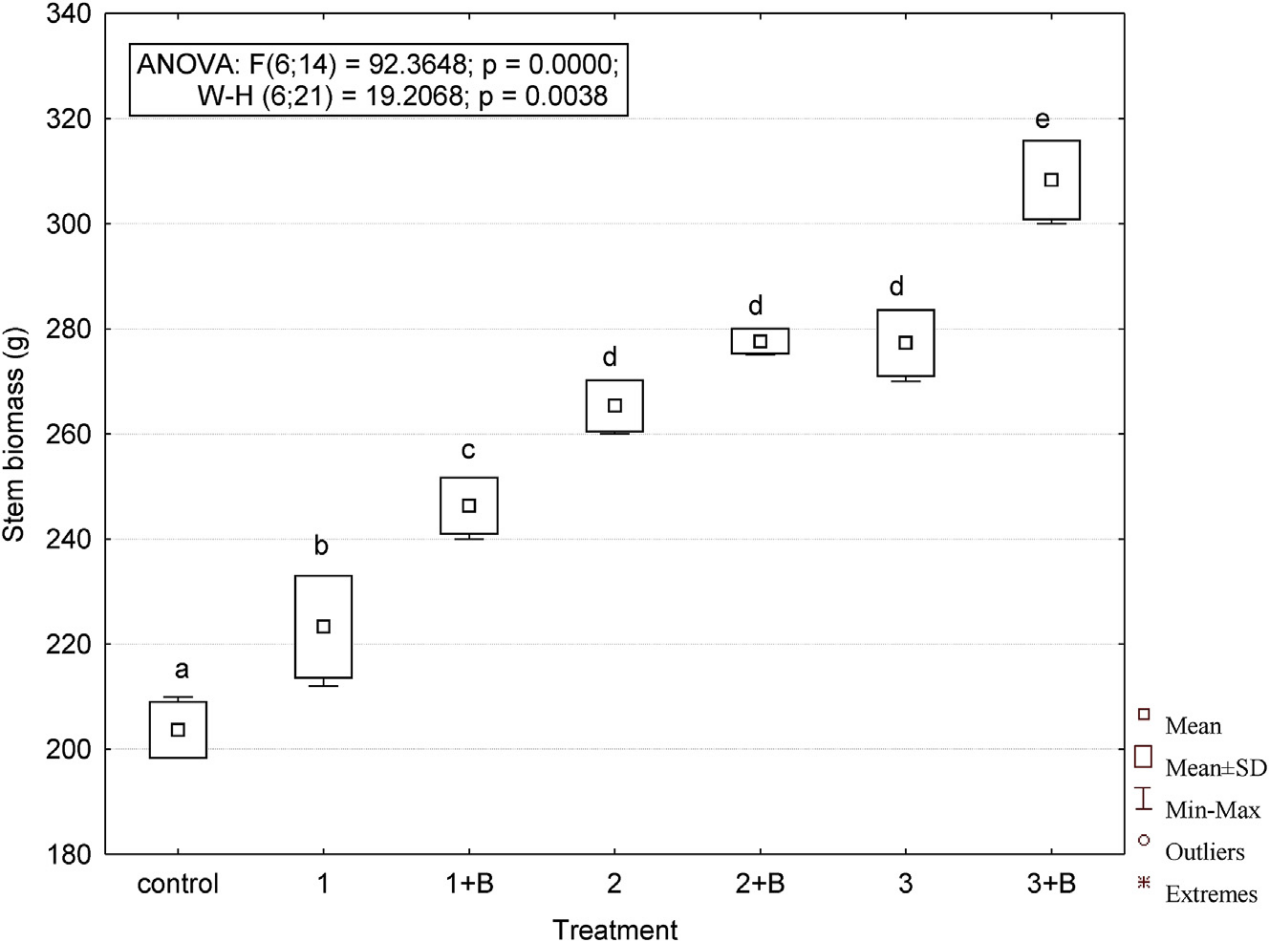
In treatment 3, sewage sludge and phosphate fertilizer were used as soil additives. The use of this additive affected the stems biomass significantly (3 + B), but there were no significant differences between 2, 2+ B and 3 treatment . Plants inoculated with bacteria had significantly higher stems and roots length than uninoculated for treatment 2 and 3. The highest growth of inoculated plants compared to unvaccinated microorganisms was reported for treatment 3, where rich in nutrients sewage sludge and phosphate fertilizer were used as soil additives. It was noted that the growth and development of red fescue was supported by PGPR microorganisms. Calculation in kg/ha of the increase of total fescue biomass stems in relation to the control found that the highest increase was noted for 3 + B treatment, the sewage sludge and phosphate fertilizer with bacteria inoculation, and the increase of aboveground biomass was 50% . When compared the bacteria inoculated and uninoculated treatments, it was found that the highest increase was for 1 + B treatment.
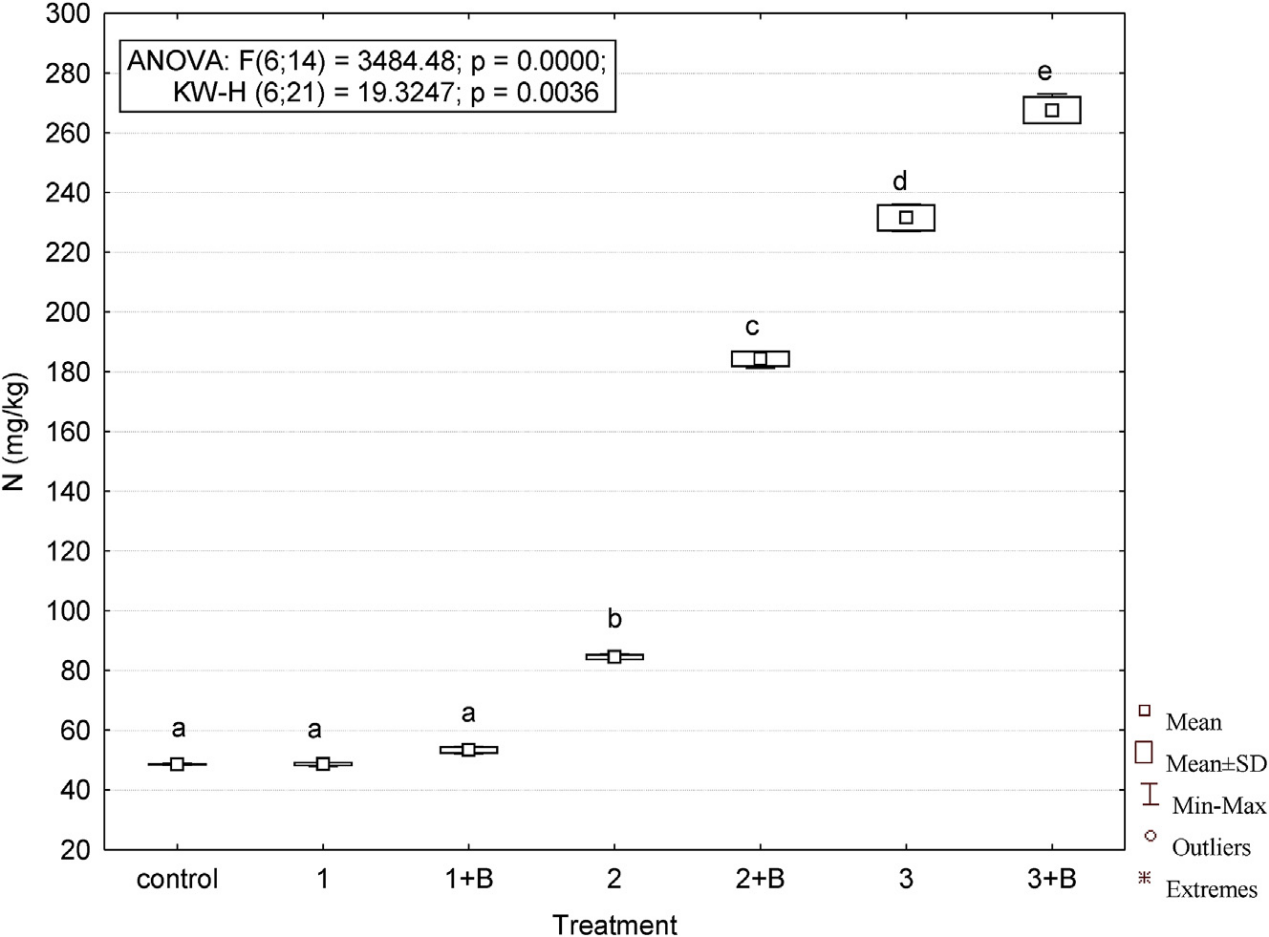
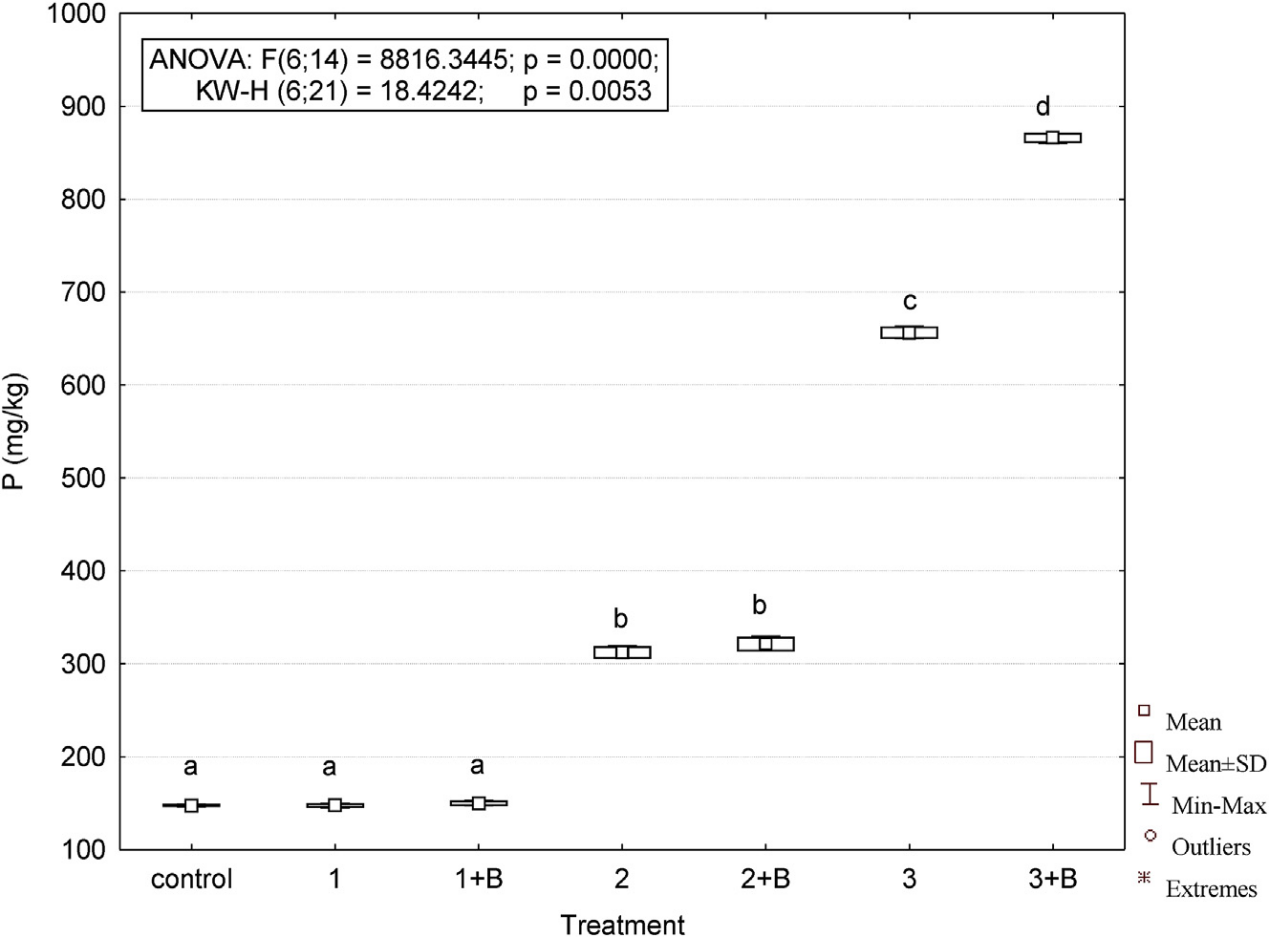
After the inoculation with microorganisms, there was an increase in available P content in the soil as compared to the non-bacterial treatment. Considering only the application of microorganisms, the available P content increased significantly only for treatment 3, indicating that microorganisms require initial dosage of inorganic P to multiply and proceed with converting P to bioavailable forms and require K as another key nutrient.
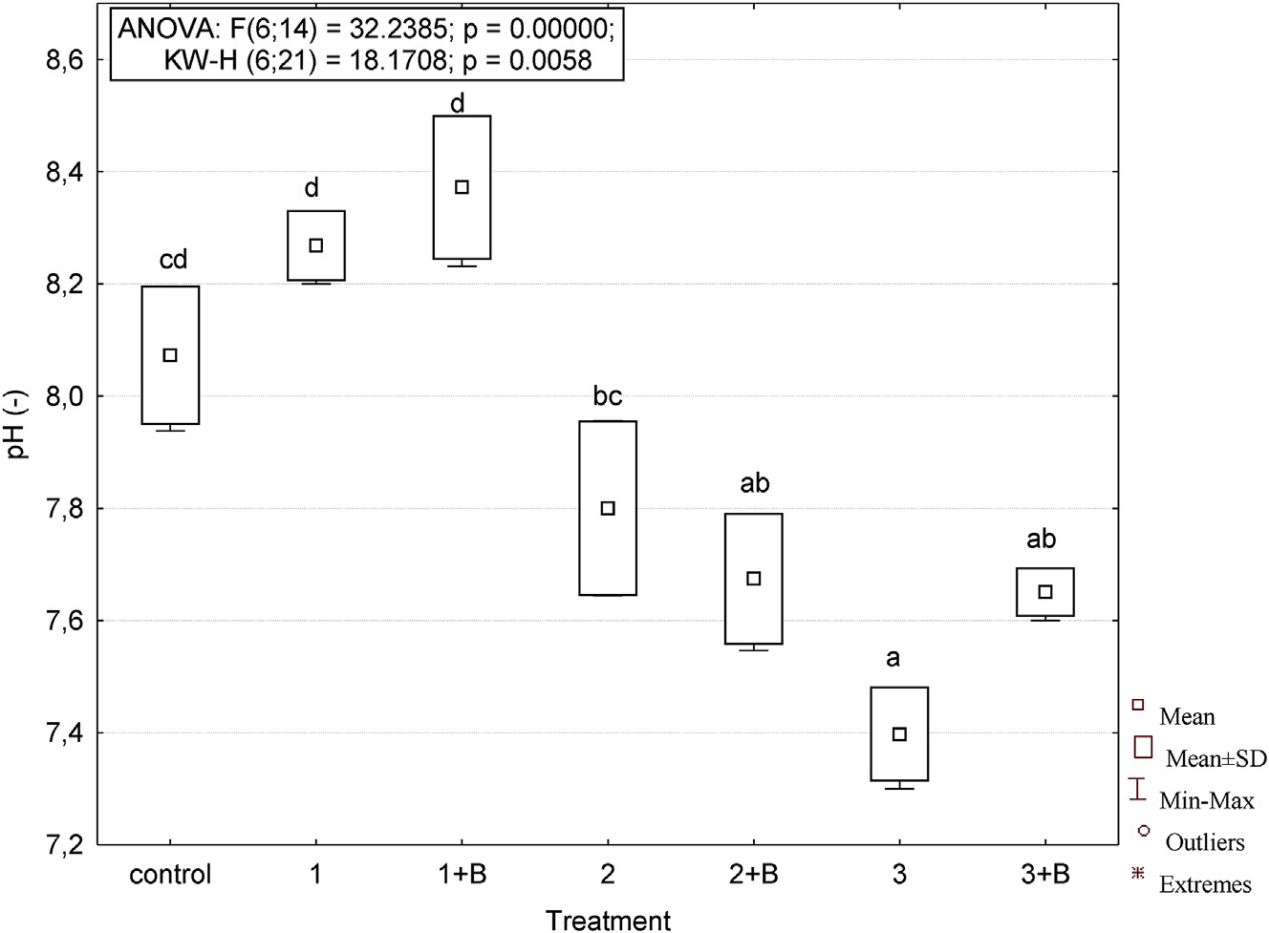
Discussion:The field experiments indicated that soil application of bacterial consortium containing PGPR microorganisms effectively affects plant growth and development.In the conducted study the bacterial consortium of PGPR increased the roots growth effectively. PGPR inoculated plants had higher biomass of stem and root biomass compared to plants that were not inoculated with microorganisms, and moreover the synergetic effect of soil amendments and bacteria was also noted. Conducted study indicated also, that microbial inoculation improves the roots growth, while organic soil amendments improves mainly the aboveground biomass. This gives plants the opportunity to deal with unfavourable conditions such as drought. The 2–3 soil treatments significantly contributed to the improvement of soil parameters, which affected the growth and yielding of plants. The conducted study confirmed the synergetic effects of bacteria and an organic amendment, suggesting the multi elemental impact on plant yield. The simultaneous use of organic sources of carbon, P, N with PGPR bacteria is an effective approach in sustainable resources management.
BUT: The use of PGPR bacteria in the phytoremediation and crops production has also limitations; most important of which is the difficulty to achieve similar results under other field, soil, and or plant conditions.
Conclusions:In the field experiment, it was found that PGPR microorganisms influence the roots of inoculated plants, while biosolid (sewage sludge) or/and inorganic fertilizer application increase the green biomass of red fescue grass. This proves that the growth and development of plants is supported by microorganisms, but the process is strongly connected with roots development. The application of PGPR to sewage sludge treated soil increase organic N and bioavailable P compared to the uninoculated treatment. This increase after microbial inoculation indicates that PGPR have synergetic interaction with sewage sludge and or potassium phosphate. This confirms that additional application of PGPR to plants cultivation or soil remediation gives opportunity to decrease inorganic soil fertilization. The application of PGPR microorganisms alone to degraded soil is not enough to increase the P bioavailable pool. The use of very minimal amounts of basic nutrients creates the proper conditions for the functioning of microorganisms. PGPR microbes may be a sustainable solution in increasing soil recovery, soil bioremediation, the amount of areas dedicated to plants production.
陈韵如 cherry960502@163.com